



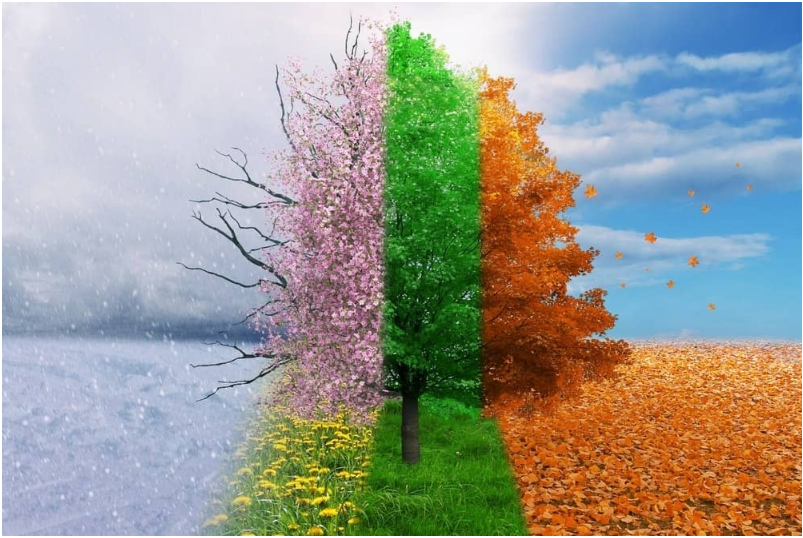
Moral values, which define a person’s sense of right and wrong, often shape ideologies, prejudices, and behavior. Though these values may appear consistent over time, they can shift based on different emotional and situational contexts, such as the changing seasons.
Seasons not only bring weather changes but also influence how people think, feel, and act. These shifts affect moods, attention, memory, generosity, and even moral judgments. Researchers Ian Hohm and Mark Schaller conducted a study exploring how seasonal variations affect moral values, particularly in relation to “individualizing” and “binding” values. Individualizing values prioritize fairness and preventing harm to others, while binding values emphasize loyalty, respect for authority, and maintaining traditions.
The study analyzed data from 232,975 U.S. respondents over a decade, finding that while individualizing values remained relatively stable, binding values followed a seasonal pattern. Americans endorsed binding values more strongly during the spring and autumn, with notable declines in midsummer and midwinter. This pattern was consistent not only in the U.S. but also in Canada and Australia.
The researchers speculated that seasonal changes in anxiety levels could explain this fluctuation. Anxiety tends to peak in spring and autumn, possibly driving people to value group cohesion more, while pleasant weather and holiday effects may contribute to the lower anxiety and binding values in summer and winter.
These seasonal cycles in moral values can have real-world consequences, both positive and negative. While increased group cohesion in spring and autumn may help communities deal with crises, it can also lead to heightened distrust or prejudice against outsiders. Additionally, these shifts could influence political attitudes and even judicial decisions, suggesting that the timing of elections or court rulings might subtly sway outcomes based on seasonal changes in moral values.