


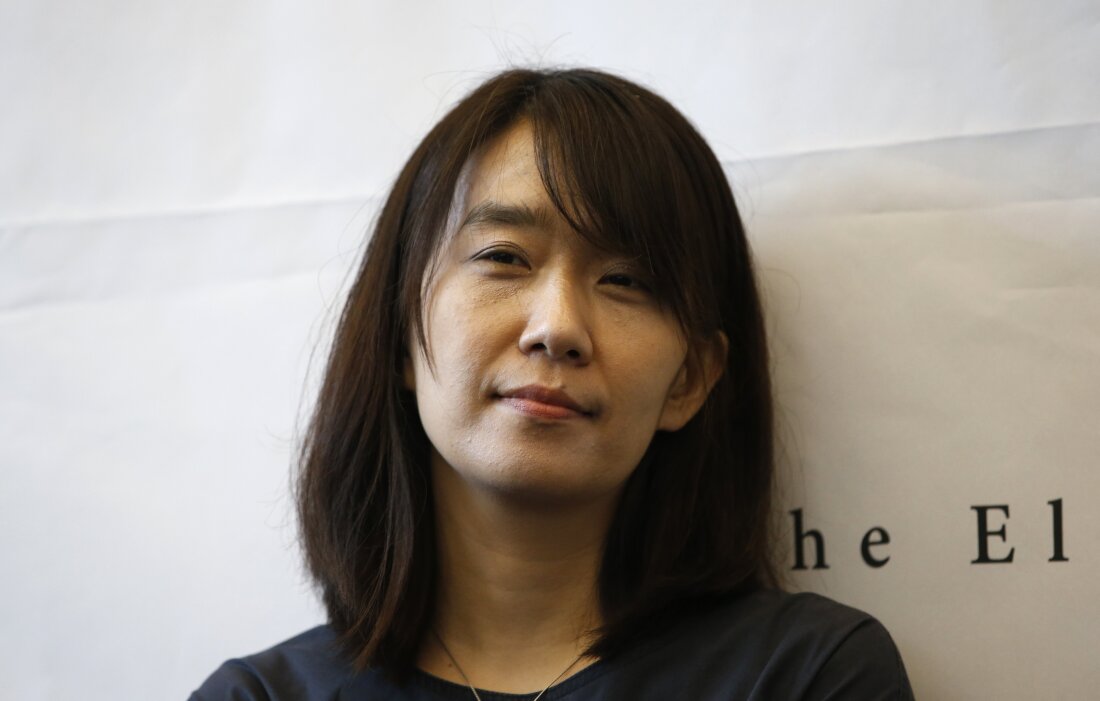
The 2024 Nobel Prize in Literature has been awarded to South Korean author Han Kang, recognized for her “intense poetic prose” that confronts historical traumas and reveals the vulnerability of human existence. The Nobel committee highlighted Kang’s deep empathy for extreme life experiences, further amplified by her powerful use of metaphor.
Han Kang launched her literary career in 1993 with the publication of several poems in the magazine Literature and Society. Her first prose work came in 1995 with the short story collection Love of Yeosu, followed by numerous novels and short stories. Her most notable international success arrived with the 2007 novel The Vegetarian, translated into English in 2015. The book, structured in three parts, explores the violent aftermath when its protagonist, Yeong-hye, rejects societal norms by refusing to eat meat, sparking varied reactions from those around her.
Born in Gwangju, South Korea, in 1970, Han Kang grew up in a literary household, her father being a well-known novelist. In addition to writing, she has pursued interests in art and music, which are evident throughout her literary works. According to the Nobel Committee, she is the first South Korean author to receive the Nobel Prize in Literature.
Last year, the award was presented to Norwegian writer Jon Olav Fosse for his “innovative plays and prose” that articulate the ineffable. The Nobel Prize, first awarded in 1901, honors achievements in the sciences, literature, and peace, as established by the will of Alfred Nobel, the Swedish chemist who invented dynamite. This prestigious award includes a monetary prize of 10 million Swedish krona (approximately $915,000).