



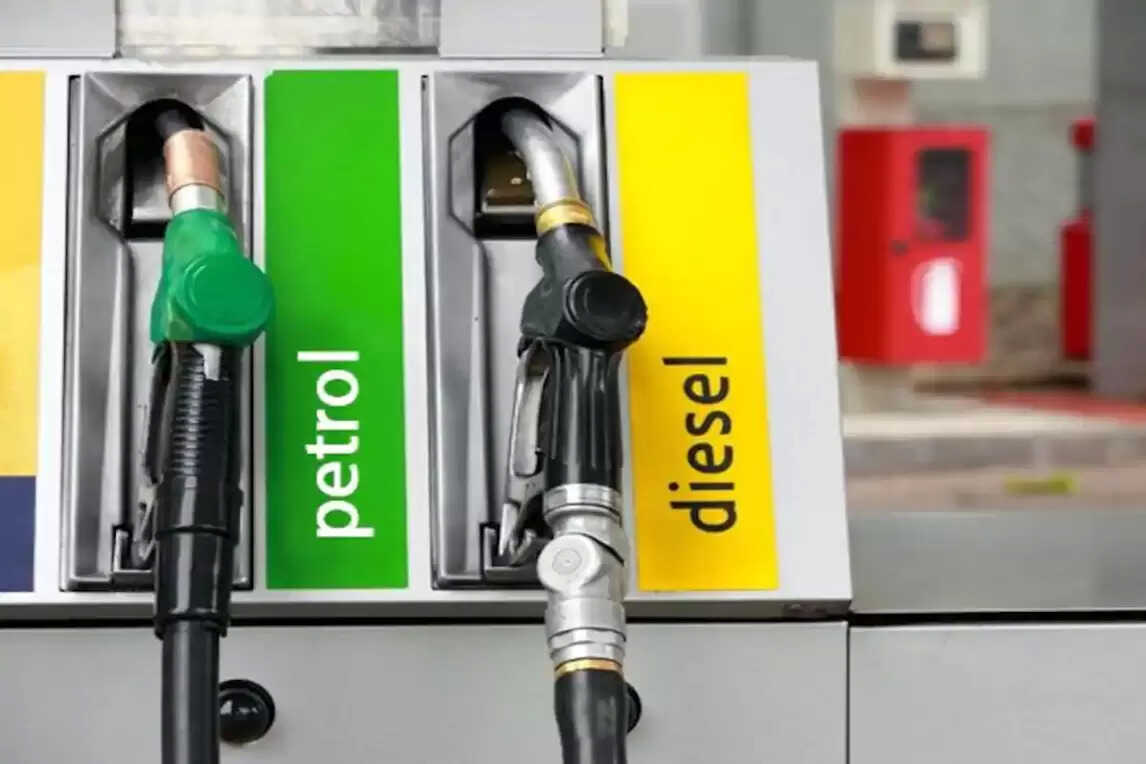
India’s goods export fell by 9% in August due to a sharp decline in petroleum exports, causing the trade deficit to widen to a 10-month high of $30 billion. Amid weak demand from Western countries and China, petroleum exports dropped by 38%, attributed to the Red Sea crisis and stable oil prices, according to data released by the Ministry of Commerce and Industry.
Petroleum product exports fell to $5.95 billion in August 2024 compared to $9.54 billion in the same month last year, contributing to the overall decrease in exports, which totaled $34.71 billion compared to $38.28 billion in August 2023. Imports, on the other hand, rose by 3% to $64.36 billion, driven by a doubling of gold imports following a duty reduction in the Union Budget. Gold imports surged by 103% to $10 billion, while silver imports rose more than sevenfold.
Despite the decline in petroleum exports, non-oil exports showed a slight increase of 0.05% compared to August 2023. However, experts caution that high freight costs and longer shipping routes could affect the export of high-volume, low-value goods such as textiles, garments, and low-end engineering products.
Certain sectors saw positive growth. Spice exports increased by 19%, electronic goods by 7.85%, and readymade garments by 12%. However, iron ore exports, particularly to China, dropped by 55%. Commerce Secretary Sunil Barthwal cited the slowdown in China and falling oil prices as key factors in the decline, though he noted that cumulative exports were rising, and the government is working to expand trade with African markets.
Services exports, less affected by global disruptions, rose to $30.69 billion compared to $28.71 billion in August 2023. The Ministry of Commerce and Industry is also addressing logistical challenges, such as container shortages, in collaboration with the Ministry of Shipping.
The Federation of Indian Export Organisations (FIEO) attributed the sharp decline in merchandise exports to ongoing global economic uncertainties, falling commodity prices, and logistical challenges. Engineering exports have been particularly affected by declining iron and steel exports, influenced by competitive pricing from China and geopolitical conflicts in Europe and West Asia.
The World Trade Organization (WTO) Goods Trade Barometer indicated potential improvement in global trade in the second half of 2024, though uncertainties remain due to shifting monetary policies and weakening export orders. The current value of the WTO Goods Trade Barometer stands at 103, suggesting an uptick in merchandise trade in the third quarter of 2024.
