



From intoxicated worms to mammals breathing through their anuses, the 2024 Ig Nobel Prizes honored ten surprising scientific achievements that are both humorous and thought-provoking. Held at the Massachusetts Institute of Technology, the 34th Annual Ig Nobel Prize ceremony continued its tradition of showcasing unconventional research that “makes people laugh, then think.”
Pigeons and Peace
This year’s Ig Nobel Peace Prize was posthumously awarded to psychologist B.F. Skinner for his 1940s experiments involving pigeons guiding missiles. His daughter, Julie Skinner, accepted the prize on his behalf. Skinner’s experiments aimed to determine whether live pigeons could effectively guide missile flight paths, a project that contributed to a deeper understanding of animal behavior.
Botanical Style
The Ig Nobel Botany Prize went to Jacob White and Felipe Yamashita, whose research showed that some plants mimic the shapes of neighboring artificial plastic plants. Their work on Boquila trifoliolata and its ability to imitate plastic leaves challenges traditional ideas about plant behavior.
Hair Whorls and Hemispheres
Marjolaine Willems and colleagues received the Anatomy Prize for investigating whether the direction of hair whorls on human heads is influenced by which hemisphere people live in. Their findings shed light on genetic and environmental factors affecting hair patterns.
Breathing Through Anuses
The Physiology Prize went to Takanori Takebe and his team for their discovery that many mammals can breathe through their anuses in emergencies. This research adds a new dimension to our understanding of animal physiology.
Coin Flips and Probability
František Bartoš and his team won the Probability Prize for demonstrating through over 350,000 experiments that a flipped coin tends to land on the same side it started. This research provides insight into probability and randomness.
Placebo Pain
Lieven Schenk, Tahmine Fadai, and Christian Büchel earned the Medicine Prize for proving that fake medicine with painful side effects can be more effective than placebo treatments without side effects. Their study highlights the psychological impact of perceived discomfort on treatment efficacy.
Swimming Dead Trout
Jimmy Liao was awarded the Physics Prize for exploring the swimming abilities of dead trout, revealing new insights into fluid dynamics.
Drunk Worms
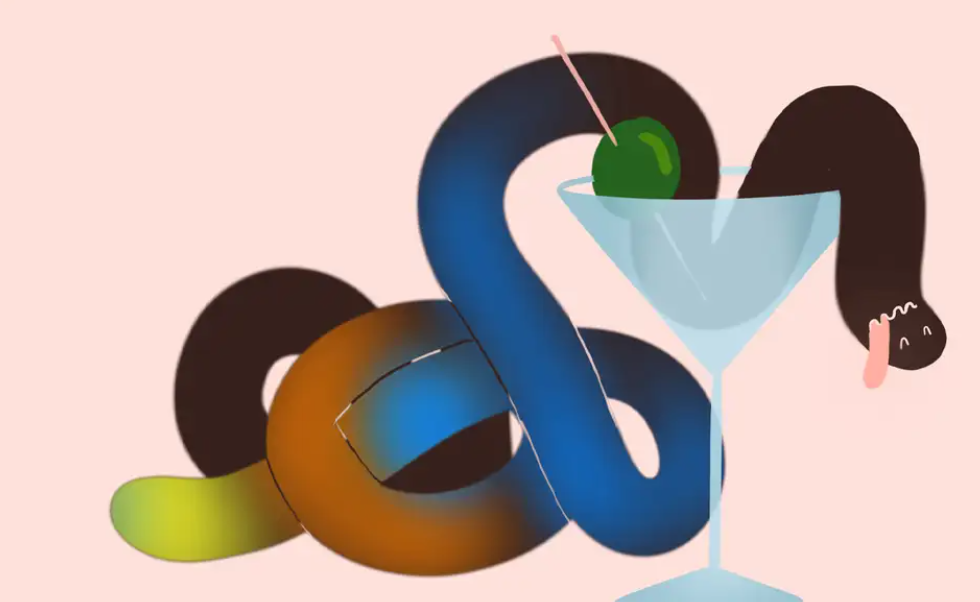
Tess Heeremans and colleagues received the Chemistry Prize for developing a method to use chromatography to separate drunk worms from sober ones, showing the effects of alcohol on worms’ behavior.
Supercentenarians and Recordkeeping
Saul Justin Newman won the Demography Prize for uncovering patterns of inaccurate birth and death records in regions with the highest concentrations of supercentenarians, leading to suspicions of clerical errors and pension fraud.
Exploding Paper Bags and Cows
The Biology Prize was awarded posthumously to Fordyce Ely and William E. Petersen for their 1940s experiment in which they exploded a paper bag next to a cat standing on a cow to understand how cows spill their milk. The award was accepted by Ely’s daughter Jane and grandson Matt, who witnessed a reenactment at the ceremony involving a toy cat and a human in a cow costume.
The Ig Nobel Prizes, founded by Marc Abrahams, continue to celebrate science that defies convention, sparking curiosity and laughter worldwide.