
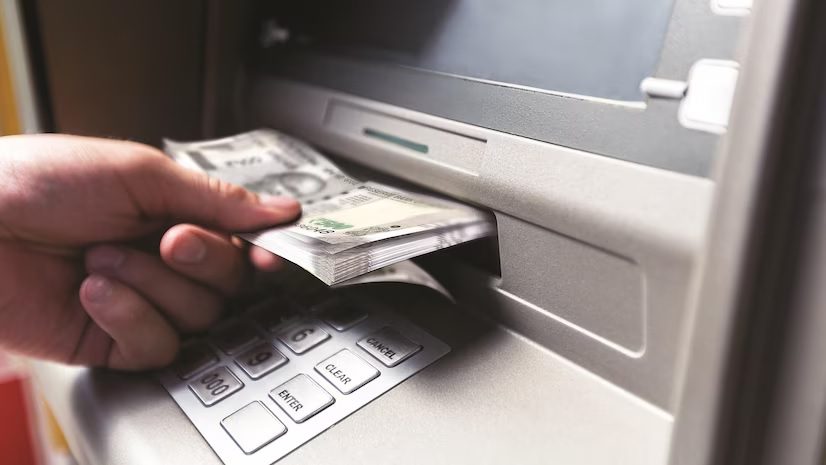


Starting today, bank customers across India will face higher charges for ATM transactions exceeding their free monthly limits. The Reserve Bank of India (RBI) has approved an increase in the maximum fee for such transactions from ₹21 to ₹23, effective May 1, 2025.
Under the current guidelines, customers are entitled to five free transactions per month at their own bank’s ATMs. Additionally, they can avail of three free transactions at other banks’ ATMs in metro cities and five in non-metro areas. Once these free transactions are exhausted, a fee of up to ₹23 per transaction will be applicable. This fee includes both financial transactions, such as cash withdrawals, and non-financial transactions, like balance inquiries.
The RBI’s decision to revise the ATM transaction charges aims to compensate banks for the increased costs associated with ATM operations and maintenance. The last revision occurred in January 2022, when the fee was raised from ₹20 to ₹21. The central bank has also allowed ATM networks to determine the interchange fee—the fee a bank pays another bank when its customer uses the latter’s ATM.
The country’s ATM infrastructure, managed primarily by the National Financial Switch (NFS), plays a crucial role in providing banking services to customers. With the revised charges in place, customers are advised to plan their ATM usage accordingly to minimize additional expenses.
As the banking sector continues to evolve, the RBI’s adjustments reflect the need to balance operational costs with customer convenience. Customers should stay informed about their bank’s specific ATM transaction policies and consider digital alternatives for routine banking needs.